The Holocaust in Slovakia – A History of Complicity
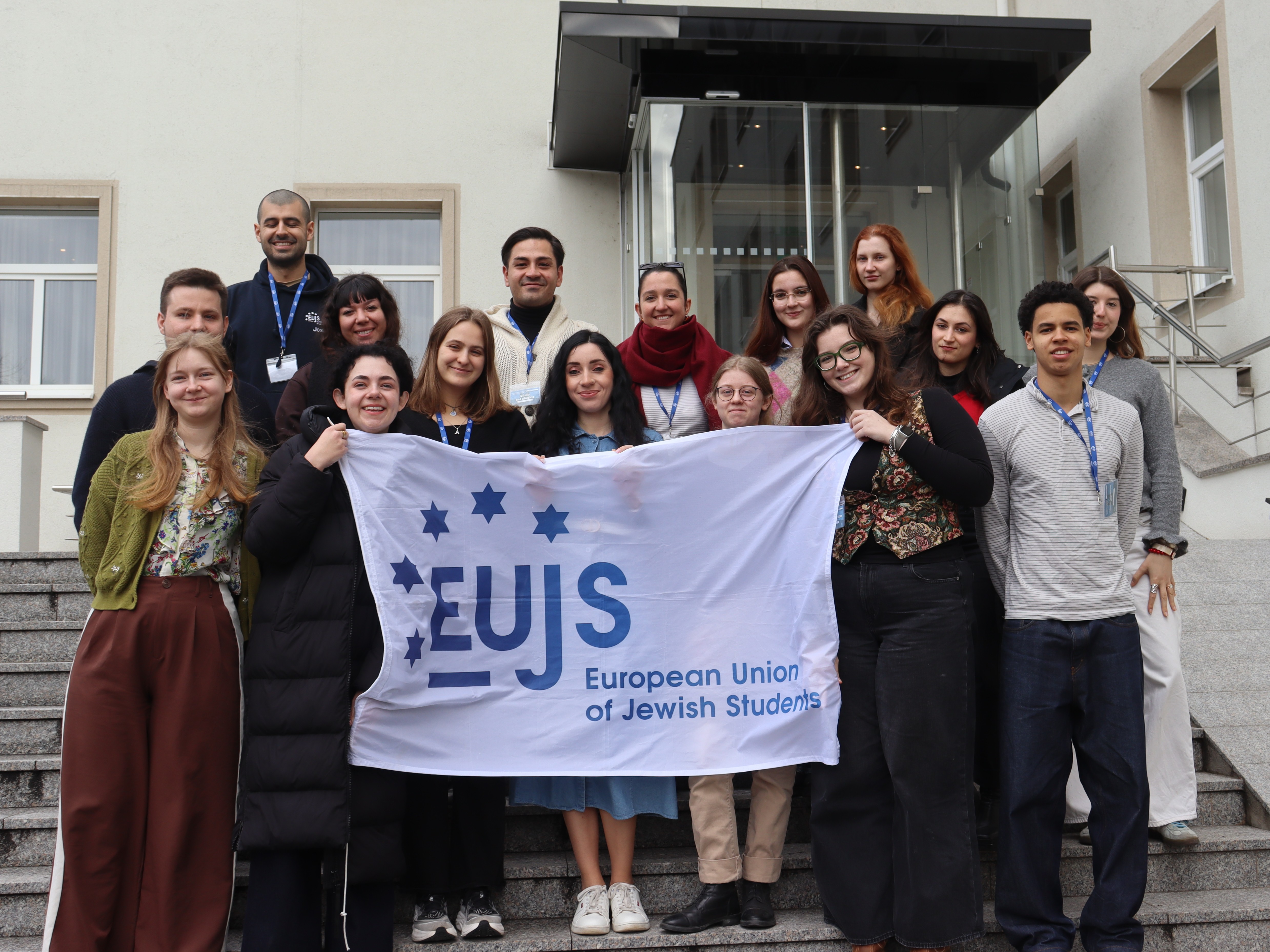
From the 15th to the 18th of February 2026, EUJS brought together 15 young Jewish and non-Jewish participants from seven countries for a seminar exploring the Holocaust in Slovakia. Focusing on the wartime Slovak State’s collaboration with Nazi Germany, the programme examined how local political decisions, antisemitic legislation, and state institutions enabled persecution and deportation. By addressing this lesser-known chapter of European history, the seminar encouraged participants to reflect critically on complicity, accountability, and the shared responsibility of preserving historical memory.
The programme combined expert-led sessions, historical visits, and interactive workshops. Contributions from Tomas Stern and Dr. Ján Hlavinka explored Jewish life in Bratislava before the war and the legal framework underpinning persecution. A visit to the former camp at Sereď, alongside a session with Dr. Matej Beránek on escapes from death camps, connected historical analysis with individual experiences of resistance and survival. Through the workshop “These Are My Last Words” (an activity designed by Yad Vashem's International School for Holocaust Studies), participants engaged with victims’ personal testimonies, while exchanges with the local Jewish community connected remembrance with contemporary Jewish life in Slovakia.
The final part of the seminar addressed responsible commemoration and contemporary Holocaust distortion, including an online discussion with Alina Bricman, Chair of IHRA’s Committee on Antisemitism and Holocaust Denial. Participants explored practical ways to recognise distorted narratives and safeguard historical truth within their organisations and communities. Feedback highlighted the value of combining academic depth with emotional reflection, as well as the open dialogue between Jewish and non-Jewish participants. The seminar strengthened participants’ historical knowledge, connections, and confidence to contribute to meaningful Holocaust remembrance.


.jpg)